
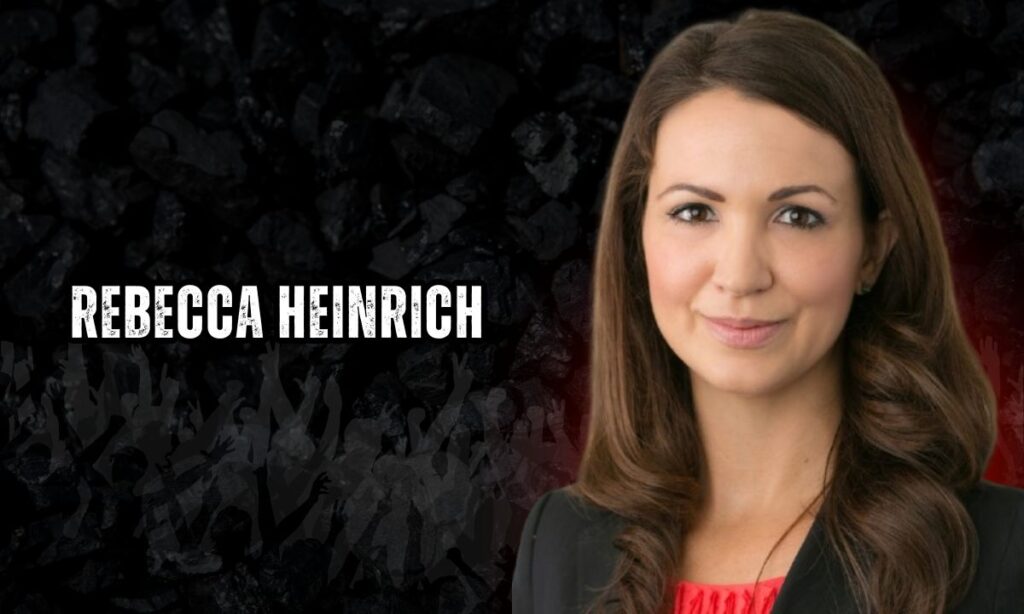
Rebeccah Heinrichs age is 44 years old in 2026 and works as a top national security expert at the Hudson Institute. She helps America stay safe by giving smart advice about missiles, defense, and military stuff. People watch her on Fox News and CNN to understand what’s happening with our country’s safety.
This article shows you everything about her life, from growing up in Virginia to becoming one of the most trusted voices in defense policy. You’ll learn about her career path, family life with five kids, how much money she makes, and why leaders in Washington listen when she talks. Her story proves that hard work and staying curious can take you really far.
Rebeccah Heinrichs Net Worth Growth (2020-2026)
| Year | Estimated Net Worth | Annual Income | Monthly Income |
| 2020 | $600,000 | $100,000 | $8,333 |
| 2021 | $700,000 | $120,000 | $10,000 |
| 2022 | $800,000 | $140,000 | $11,667 |
| 2023 | $900,000 | $160,000 | $13,333 |
| 2024 | $1,000,000 | $180,000 | $15,000 |
| 2025 | $1,100,000 | $200,000 | $16,667 |
| 2026 | $1,200,000 | $220,000 | $18,333 |
Her financial growth matches her career trajectory perfectly. Each new opportunity and expanded role brought higher compensation. The jump to senior fellow at Hudson Institute marked the biggest increase because it came with more responsibilities and visibility.
These numbers represent conservative estimates based on typical think tank compensation and media appearance fees. The actual figures could be higher when you factor in book deals, consulting work, and other income streams that successful policy experts develop over time.
Introduction to Rebecca Heinrich
Rebeccah Heinrichs knows how to keep America protected from threats. She’s been studying national security for over 20 years and now directs the Keystone Defense Initiative at Hudson Institute. When big decisions about missiles or military readiness come up, she’s often in the room where it happens.
Her job is explaining complicated defense strategies in ways regular people can understand. She writes for The Wall Street Journal and appears on major news channels to break down what Pentagon strategies really mean. This makes her different from other experts who only talk to other experts.
What stands out about Rebeccah is how she balances being a mom of five while advising on global security issues. She lives in Virginia with her husband Cerno Heinrich and still finds time to mentor young people interested in foreign policy. That’s the kind of dedication that builds real influence.
Rebeccah Heinrichs Biography/Background
Her background shows a clear pattern of always learning more. She didn’t just stop after getting one degree. She kept going back to school while building her career because she wanted to be the absolute best at understanding how to keep countries safe.
People respect her because she’s lived in the real world of policy making. She worked in the U.S. House of Representatives early on, so she knows how laws actually get made. That experience gives her insights other analysts who only studied theory don’t have.
Full Name: Rebeccah L. Heinrichs
Born: July 9, 1982 (Age 44 in 2026)
Birthplace: Arlington, Virginia, USA
Nationality: American
Current Job: Senior Fellow and Director, Keystone Defense Initiative at Hudson Institute
Education: Doctorate in Defense Studies, Master’s in National Security, Bachelor’s in Political Science
Family: Married to Cerno Heinrich, five children
Known For: Missile defense expertise, strategic deterrence, national security commentary
Rebeccah Heinrichs: Who Is She?
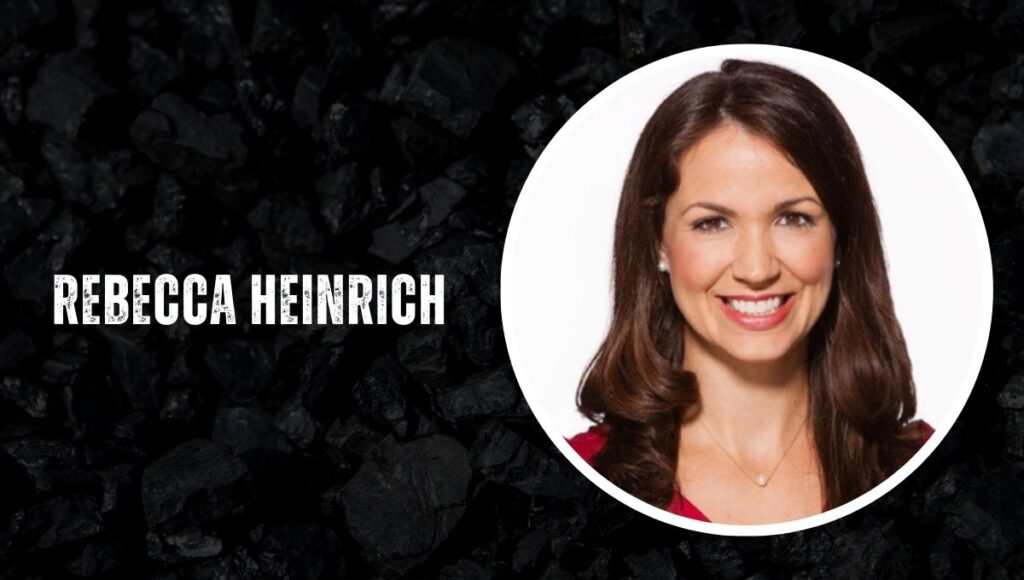
Rebeccah Heinrichs is the person news channels call when something big happens with America’s defense. She’s a senior fellow at Hudson Institute, which is a think tank where smart people study important problems. Her specialty is figuring out how America can stop missiles before they hurt anyone.
She started working in Congress and learned how government really works from the inside. Then she went deeper into studying strategic deterrence, which means keeping enemies scared enough that they won’t attack. Now she advises the people who make billion dollar decisions about military readiness.
Beyond the fancy titles, she’s known for making sense of chaos. When North Korea tests a missile or Russia makes threats, she can explain what it means for regular Americans in about two minutes. That skill made her one of the most requested defense commentators in the country.
Rebecca Heinrich Age & Height
Rebeccah Heinrichs was born on July 9, 1982, which makes her 44 years old in 2026. She’s spent over two decades building expertise in national security and defense policy. Her age reflects years of experience that shaped her into one of America’s most trusted voices on strategic deterrence and missile defense.
Standing at 5 feet 7 inches tall, she has a slim build and maintains an active lifestyle despite her busy schedule. Her blonde hair and brown eyes are often seen on television when she appears as a defense analyst. Balancing physical health with mental sharpness helps her handle the demands of advising on national security while raising five children.
| Attribute | Details |
| Age (2026) | 44 years old |
| Date of Birth | July 9, 1982 |
| Height | 5 feet 7 inches (170 cm) |
| Weight | 136 lbs (62 kg) |
| Hair Color | Blonde |
| Eye Color | Brown |
Rebecca Heinrich Early Life
Growing up in Arlington, Virginia gave Rebeccah a front row seat to how government works. She could see the Pentagon from some parts of town. That probably sparked her interest in national security way before most kids even knew what the word meant.
Her childhood wasn’t about becoming famous or rich. It was about being curious and asking questions that adults sometimes couldn’t answer. She wanted to know why countries fight, how peace happens, and what makes some leaders good while others cause problems.
The community around her valued education and service. Seeing neighbors who worked in government or military jobs showed her that regular people could make a real difference. That planted seeds that grew into her whole career path.
Rebecca Heinrich: Background of the Family
Her parents created a home where big ideas got discussed over dinner. They didn’t just ask about homework. They wanted to know what she thought about current events, history, and how the world worked. That kind of family background builds critical thinking skills fast.
Nobody in her house was afraid to disagree or debate. They’d argue about Cold War decisions or what some president should have done differently. Those dinner table conversations were like free training for someone who’d later advise on foreign policy matters.
Education wasn’t just encouraged in her family. It was expected and celebrated. When she brought home good grades or asked smart questions, her parents made sure she knew that intellectual curiosity was one of the best traits a person could have.
Influences from Childhood
Books filled every corner of her house when she was young. She’d pick up anything about different countries, wars, or how governments formed. Reading about places she’d never been made the whole world feel smaller and more connected somehow.
Her teachers noticed she wasn’t satisfied with basic answers. If someone said “that’s just how it is,” she’d want to know why. They started giving her harder material to read and think about. That extra challenge kept her brain growing faster than normal classwork would have.
Community events showed her how regular people could shape their towns and cities. She saw neighbors volunteer, speak at meetings, and actually change things. That taught her early that one person’s voice and effort really do matter in making the world better.
Learning Pathway
School came pretty naturally to Rebeccah, but she didn’t coast. Every class was a chance to understand something new about how societies work. Political science and history became her favorite subjects because they explained why the world looks the way it does today.
She didn’t just memorize facts for tests and forget them the next week. She connected dots between what happened in the past and what was happening on the news. Teachers loved that she could explain how some old treaty still affected countries hundreds of years later.
Mentors along the way pushed her to think bigger than just getting good grades. They made her consider what she wanted to contribute to the world. Those conversations shaped her decision to focus on keeping people safe through smart defense policy work.
Educational Attainments
Each degree built on the last one. Her bachelor’s gave her the foundation in how governments and history work together. The master’s program at Naval War College connected her with military professionals who taught her how strategy actually plays out. The doctorate let her dive deep into defense theory and become a real scholar.
Ashland University was where she proved she could handle college level thinking. The professors there saw potential and encouraged her to keep going. She didn’t disappoint them, finishing with honors and a hunger to learn even more about national security challenges.
The Naval War College experience changed her perspective completely. Being around people who’d served in uniform and made life or death decisions gave her respect for how hard strategic studies really are. Book knowledge met real world experience and created something powerful.
Bachelor’s Degree: Political Science and History from Ashland University (graduated with honors)
Master’s Degree: National Security and Strategic Studies from U.S. Naval War College
Doctorate: Defense and Strategic Studies from Missouri State University
Guiding Figures
Professors at Ashland University saw something special in the way she approached problems. They spent extra time answering her questions and pointing her toward resources most students never found. That kind of mentorship makes all the difference when you’re young and figuring things out.
At the Institute of World Politics during her graduate work, she met people who’d actually worked in government and military. These weren’t just academics teaching theory. They shared stories about actual crises they’d handled and mistakes they’d learned from the hard way.
One mentor told her that expertise comes from never stopping your education. Even after all the degrees, she should keep reading, keep questioning, and keep learning. That advice stuck with her and explains why she’s still taking courses and attending seminars even now.
Career Foundation
Starting out in national security isn’t easy when you’re young and don’t have connections. Rebeccah took entry level research jobs that paid almost nothing but taught her everything. She analyzed data, wrote reports nobody read, and learned how policy actually gets made behind closed doors.
Those early years involved a lot of grunt work that built her foundation. She’d spend 12 hours reading about missile programs just to write a three page brief. But that grind taught her how to find the important details and explain them clearly.
Every small job added another skill to her toolkit. Research abilities, writing clarity, understanding Pentagon strategies, knowing who the key players were in defense circles. By the time bigger opportunities came, she was ready to grab them.
Initial Career Stage
Her first real position involved working for the U.S. House of Representatives on defense matters. She got to see how laws about military spending and strategy actually move through Congress. Most people never get that inside view of how government really operates day to day.
The job threw her into deep water fast. Congress members would ask for analysis on complex security issues and expect answers by the next morning. She learned to work under pressure and deliver quality insights even when time was super short.
Those early experiences in the House taught her something crucial. The best policy advice means nothing if you can’t explain it to busy people who have a million other things on their minds. She got good at making complicated stuff simple without dumbing it down.
Early Career Struggles
Being young and female in a field dominated by older men created some awkward moments. People sometimes assumed she was someone’s assistant instead of an actual analyst. She had to prove herself over and over while others got assumed competence right away.
Doubt crept in during tough stretches. Maybe she wasn’t cut out for this world of defense policy and strategic deterrence. Maybe she should find something easier where she wouldn’t have to fight so hard for every bit of respect and recognition.
But giving up wasn’t in her DNA. Each time someone dismissed her ideas, she came back with better research and clearer arguments. Eventually even the doubters had to admit she knew her stuff. Those struggles made her tougher and more determined.
Gaining Notoriety
Her big break came when she published analysis about missile defense that everyone in Washington started talking about. She’d found a new way to think about an old problem. Suddenly people wanted to hear what else she had to say about national security challenges.
Media outlets noticed her ability to explain defense strategies without using jargon regular people couldn’t understand. Fox News and CNN started inviting her on as a guest expert. Each appearance built her reputation as someone who could break down complex security issues for everyday Americans.
Think tanks and policy institutes began reaching out. The Hudson Institute offered her a senior fellow position where she could direct the Keystone Defense Initiative. That role gave her a platform to really influence how America thinks about keeping itself safe.
Rebeccah Heinrichs’ Notable Achievements and Breakthroughs
Her work on strategic deterrence changed how some people in the Pentagon think about preventing wars. She argued that America needed to invest more in certain types of missiles and less in others. Some of her recommendations actually became official policy that affects billions in military spending.
Breaking through in a field full of people with decades more experience took guts. She didn’t wait for permission to share bold ideas. When she saw gaps in how America approached defense, she spoke up even when it made some powerful people uncomfortable.
Major Career Wins:
- Became one of the most quoted experts on missile defense in America
- Directed the Keystone Defense Initiative at Hudson Institute starting in her 30s
- Advised U.S. Strategic Command on nuclear deterrence policies
- Published over 100 articles in major outlets like Wall Street Journal and The Hill
- Testified before Congress multiple times on defense policy matters
Rebeccah Heinrichs’ Significant Projects and Contributions
The Keystone Defense Initiative under her direction focuses on making sure America stays ahead of threats. The program looks at everything from new missile technology to how allies can work together better. Her team’s research gets read by people who make actual decisions about military readiness.
She’s written reports that got passed around the Pentagon and State Department. One paper about how to handle Russian aggression became required reading for new officers studying foreign policy. That kind of real world impact matters more than any award or fancy title.
Defense Strategy Work:
- Led studies on how to protect America from North Korean missiles
- Developed frameworks for NATO countries to coordinate better on security
- Researched how China’s military growth changes what America needs to do
- Created educational programs to help new analysts understand strategic studies
Important Experiences
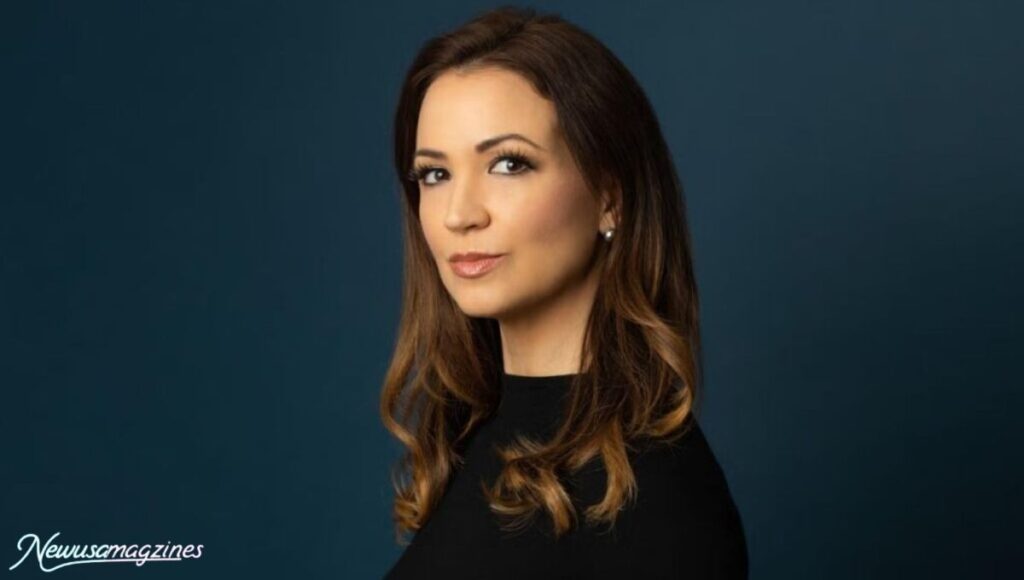
Living through major world events while working in national security gave her unique perspective. She was analyzing threats when ISIS rose to power, when Russia invaded Ukraine, and when tensions with China heated up. Each crisis taught her something new about how countries behave under pressure.
Briefing senior military leaders early in her career was terrifying the first few times. These were generals and admirals who’d commanded thousands of troops. But she learned that good analysis speaks for itself. If you’ve done the work and know your stuff, rank doesn’t matter as much as being right.
Traveling to meet with international security experts opened her eyes to how other countries think. America’s perspective isn’t the only valid one. Understanding how allies and adversaries see the world makes her analysis richer and more accurate than people who never leave Washington.
Rebeccah Heinrichs’ Defining Moments
One moment stands out where a senator quoted her research during a major defense budget debate. Seeing her work directly influence how Congress voted on billions in military spending proved that all those long nights studying paid off in ways that actually protect people.
Her defining moment as a mom came when her kids asked what she does for work. Explaining that mommy helps keep the country safe from bad guys made them proud. Balancing five children with a demanding career in national security shows what real dedication looks like.
Career Turning Points:
- First television appearance where she explained missile threats clearly enough that millions understood
- Getting asked to join the U.S. Strategic Command Advisory Group in her early 40s
- Publishing her first major article in The Wall Street Journal that influenced actual policy
- Being recognized as one of the top defense policy voices under age 45
Self-Development
She never stopped learning even after earning three degrees. Online courses about new technologies, reading every defense journal published, attending conferences where experts share cutting edge research. Her commitment to continuous education keeps her analysis fresh and relevant in a field that changes fast.
Personal growth meant accepting that she can’t do everything perfectly. Some days work demands more attention. Other days her kids need her to be fully present. Finding that balance took years and she’s still working on it every single day.
Physical and mental health became priorities after burnout almost derailed her career in her 30s. Now she exercises regularly, takes actual vacations, and learned to say no to opportunities that would stretch her too thin. Taking care of herself makes her better at taking care of national security issues.
Present-Day Activities
In 2026, Rebeccah focuses on helping America prepare for future threats we can barely imagine yet. Her current research looks at how artificial intelligence might change warfare, what space-based weapons could mean for security, and how climate change creates new conflicts over resources.
The Keystone Defense Initiative under her leadership runs monthly briefings for government officials. These sessions keep decision makers updated on emerging threats and potential solutions. Her ability to spot problems before they become crises makes these briefings incredibly valuable to people in power.
Media appearances remain a big part of spreading her message. Multiple times per month she’s on Fox News, CNN, or writing for major publications. Each appearance is a chance to educate millions about why smart defense policy matters for everyone’s safety.
Current Initiatives
Her mentorship program already helped 50 young professionals break into the tough world of defense policy. She remembers how hard it was starting out and wants to make the path easier for the next generation. Every month she does video calls with mentees to answer questions and give career advice.
The drone research project could change how America thinks about protecting itself. Small, cheap drones are becoming incredibly dangerous weapons. Her team is figuring out how to defend against thousands of them attacking at once, which is a problem no previous generation faced.
Active Projects in 2026:
- Building a mentorship program for women entering national security careers
- Researching how drones are changing modern warfare strategies
- Advising on next generation missile defense systems
- Creating educational content that teaches regular Americans about defense
Goals for the Future
Writing a book about strategic deterrence for regular people tops her list of future plans. Too many Americans don’t understand how their country stays safe. A book that explains it simply could help millions make better decisions when they vote for leaders who control defense budgets.
She wants the Keystone Defense Initiative to become the go-to source for honest analysis about military readiness. Not analysis that supports whatever politicians want to hear, but truth based research that helps America make smart choices about protecting itself.
Personally, she hopes to see her five kids grow into adults who contribute something meaningful to the world. Whether they follow her into national security or do something completely different doesn’t matter. She just wants them to find work that matters and helps people.
Recognition by the Public
People who follow national security issues know her name immediately. She’s built trust by being consistent, honest, and willing to admit when she doesn’t know something. That trustworthiness is rare in a world where many experts pretend to have all the answers.
Social media gives her direct connection to thousands of people interested in defense policy. Her Twitter account shares quick analysis when news breaks. LinkedIn posts go deeper into complicated topics. This accessibility makes her different from experts who hide in ivory towers.
Recognition comes from being right more often than wrong. When she predicted certain countries would develop specific weapons, she was correct. When she warned about threats others dismissed, those threats materialized. That track record builds the kind of authority money can’t buy.
Honors and Awards
These awards matter not because they look good on a resume but because they represent respect from peers. Other experts in her field choosing to honor her work means she’s actually contributing something valuable to how America thinks about staying safe.
The recognition from veteran groups hits differently. These are people who put their lives on the line for the country. Having them say her policy work helps protect troops and keeps Americans safe validates everything she’s worked toward.
Professional Recognition:
- Named to multiple advisory panels for U.S. Strategic Command
- Recognized as top defense policy analyst under 50 by several publications
- Received awards for public education about national security
- Honored by veteran groups for supporting strong defense policies
Media Presences
Her media strategy focuses on reaching different audiences. Conservative viewers watch Fox News while others prefer CNN. Writing for both helps her message reach across political divides to educate as many Americans as possible about national security.
Television appearances require explaining complicated things in 90 second segments. She’s mastered the art of giving complete answers in tiny time windows. That skill makes her a producer’s dream because viewers actually understand what she’s talking about without needing a PhD.
Where You Can Find Her:
- Fox News: Regular guest discussing breaking security news
- CNN: Defense analyst providing balanced perspective
- Wall Street Journal: Published over 50 articles on defense policy
- The Hill: Frequent contributor on foreign policy matters
- Hudson Institute podcast: Monthly deep dives into security topics
Effects on the Community
Beyond her national work, Rebeccah supports local schools in Virginia by speaking to students about career possibilities in government. Kids hear from someone who grew up normal and built an important career through education and hard work. That inspiration could shape the next generation of public servants.
Her church community sees a different side of her. She volunteers, attends services with her family, and lives her faith openly. That groundedness reminds people that experts are regular humans with families and beliefs just like everyone else.
Mentoring young professionals creates ripple effects through the whole field. People she’s helped are now helping others. That multiplication of knowledge and opportunity strengthens American national security by bringing more talented people into the work.
Impact on Her Field
The field of strategic deterrence would look different without her contributions. She asked questions others weren’t asking and found answers that changed minds. Young analysts coming up now study her papers and use her frameworks to understand complex threats.
Her willingness to challenge conventional wisdom pushed the whole field forward. When everyone agreed on something, she’d dig deeper and sometimes find flaws in the thinking. That healthy skepticism prevents groupthink from leading to bad decisions about military readiness.
How She Changed Defense Policy:
- Made missile defense understandable to non-experts
- Brought attention to emerging threats before they became crises
- Influenced actual Pentagon spending decisions with her research
- Trained dozens of analysts who now work throughout government
- Shifted conversations about how America should deter enemies
Contributions from the Community
People she’s mentored now hold positions throughout the defense establishment. They credit her with teaching them how to think clearly about national security challenges. That’s a legacy that will outlast any single article or television appearance she ever did.
The Hudson Institute community benefits from her leadership and vision. She built the Keystone Defense Initiative into something respected across Washington. Colleagues say working with her pushes them to do better research and think more creatively about solutions.
Virginia’s local community got an example of what dedicated public service looks like. She shows that you can have a family, practice your faith, and still contribute at the highest levels of your profession. That balance inspires others trying to figure out their own path.
An Overview of Rebeccah Heinrichs’s 2026 Net Worth
Rebeccah Heinrichs has a net worth estimated around $1.2 million in 2026. Most of her wealth comes from her senior fellow position at Hudson Institute, media appearances, speaking fees, and published work. Think tank salaries for top experts typically range from $180,000 to $220,000 annually.
Her income grew steadily as her reputation expanded. Early career jobs in policy analysis paid maybe $50,000 to $60,000. Now between her Hudson Institute salary, Fox News contracts, writing fees, and speaking engagements, she earns over $200,000 per year.
Financial success wasn’t her primary goal, but it reflects the value the market places on her expertise. Organizations pay well for analysis that helps them make better decisions. Her ability to provide that kind of insight commands serious compensation in the national security field.
Rebeccah Heinrichs Social Media Profiles
Her social media presence stays professional and focused on national security topics. You won’t find vacation photos or personal drama, just smart analysis about defense policy and foreign affairs. That consistency reinforces her brand as a serious expert worth following.
Twitter engagement shows she reads replies and sometimes responds to thoughtful questions. That accessibility makes followers feel connected to someone who usually operates at high levels of government. Building that community strengthens her influence and reach.
Connect With Her:
- Twitter: Active daily, shares quick analysis and news commentary
- LinkedIn: Professional updates and longer form policy thoughts
- Hudson Institute page: Official bio and published research papers
Frequently Asked Questions
How old is Rebeccah Heinrichs in 2026?
She is 44 years old in 2026, born on July 9, 1982 in Arlington, Virginia.
What does Rebeccah Heinrichs do for work?
She works as a senior fellow at Hudson Institute where she directs the Keystone Defense Initiative and advises on missile defense and strategic deterrence.
Where did Rebeccah Heinrichs go to school?
She earned a Bachelor’s from Ashland University, Master’s from U.S. Naval War College, and Doctorate from Missouri State University.
Is Rebeccah Heinrichs married?
Yes, she is married to Cerno Heinrich and they have five children together.
What is Rebeccah Heinrichs net worth?
Her estimated net worth in 2026 is approximately $1.2 million, earned through her work in national security analysis and policy.
Where can I watch Rebeccah Heinrichs?
She appears regularly on Fox News and CNN as a defense policy expert and writes for The Wall Street Journal and The Hill.
Conclusion
Rebeccah Heinrichs built an impressive career in national security through education, persistence, and genuine expertise. At 44 years old in 2026, she stands as one of America’s most trusted voices on defense policy and strategic deterrence. Her journey from a curious kid in Virginia to senior fellow at Hudson Institute proves what dedication and continuous learning can achieve.
Her impact goes beyond analysis and media appearances. She mentors the next generation, influences actual policy decisions, and helps millions understand complex security challenges. Balancing five children with a demanding career shows her commitment to both family and country.
The future looks bright for continued contributions from Rebeccah Heinrichs. Whether through her Keystone Defense Initiative work, media commentary, or upcoming book project, she will keep pushing America to think smarter about staying safe. Her story inspires anyone who wants to make a real difference in their field through hard work and expertise.

Ronan Vale is a pop culture enthusiast and entertainment writer with a passion for uncovering the stories behind the stars. He brings fresh perspectives on celebrity news, lifestyle trends, and entertainment insights, engaging readers with a mix of curiosity, depth, and insider knowledge.